Community Spotlight: Marlene Boyette of Leela Yoga + Wellness

Leela Yoga + Wellness Logo

Today we are spotlighting Marlene Boyette of Leela Yoga + Wellness!

Marlene Boyette (she/her/hers) is a the founder of Leela Yoga + Wellness, certified Children’s Yoga and registered Trauma Informed Yoga Instructor, and a co-founder of Peace In Boston: an initiative focused on centering yoga instructors of color, bringing yoga to underserved communities, and prioritizing diversity, equity and inclusion as acts of social justice within and outside of the Boston area.

Amplifying mind, body and playful spirit, Leela Yoga + Wellness is dedicated to a practice of wellness that uplifts and nurtures the joyous, playful spirits of adults and children through Sound Meditation, Mindfulness, Yoga and its principals. Offering yoga sessions, sound baths, and movements & relaxation workshops, Leela Yoga + Wellness offers tailored experiences to meet the specific needs & interests for attendees of all ages!

To learn more about upcoming classes and events at Leela Yoga + Wellness, click here!

We are so excited to partner with Marlene at our upcoming Branch Out With C1: Tranquility and Tea for Superhero Moms. Join Marlene for an afternoon of holistic wellness inspired by Company One Theatre’s upcoming production of Black Super Hero Magic Mama at the Boston Public Library Roslindale branch.

Together, participants are welcomed to create an altar of remembrance and lasting love, and unwind with guided meditation, sound bath, gentle and restorative movement / stillness specifically designed for BIPOC mothers and caretakers, paired with a unique tea blend to take home and enjoy–created just for this event by herbalism artist Julissa Emile. Take an hour away from the demands of daily life to be in community with other mothers and caregivers and focus on YOU!

Community Spotlight: Justice Resource Institute (JRI)

JRI, or the Justice Resource Institute, is an organization dedicated to social justice, providing over 100 programs to underserved individuals, families and communities throughout the state of Massachusetts.

We are so excited to have staff from the Center for Trauma and Embodiment stop by our rehearsal soon as we navigate the themes of grief and trauma throughout the play. We look forward to having them join our ongoing discussion in our process!

The Center for Trauma and Embodiment provides training and resources for people who have CPTSD, PTSD, and for those seeking to trauma-informed care practices and treatments. Some of the services they provide are Trauma Center Trauma Sensitive Yoga (TCTSY), Trauma Informed Weight Lifting (TIWL), and ReScripted; a trauma-informed intervention anchored in embodiment practices that utilizes the power of play, theater and movement.

Working with children, youth, and adults, JRI is committed to opening doors to opportunity and independence through compassionate support, innovation, and community leadership.

Community Spotlight: Wee The People & Hip-Hop Artist Paul Willis

From Wee the People

Up next in our Community Spotlight: Wee the People and Paul Willis!

Wee the People is a Boston-based social justice project for children ages 4-12. Launched in 2015 by two Black mothers, Wee the People organizes free, interactive workshops and events that explore activism, resistance, and social action through the visual and performing arts: music, dance/movement, theater, graphic arts, spoken word, and storytelling. Partnering with public institutions, community organizations, and Boston-based artists, Wee the People seeks to create high-impact, celebratory experiences that promote uncomfortable conversations parents often avoid with young children.

Paul Willis is a hip-hop artist, educator, and community organizer who values social justice and building community. Paul’s music reflects his personal narrative, the stories of his students, and a commitment to being a positive force. Willis works for 826 Boston, the nonprofit writing, tutoring and publishing organization that serves kids grades K through 12, inspiring the young people involved to share their stories fully and freely.

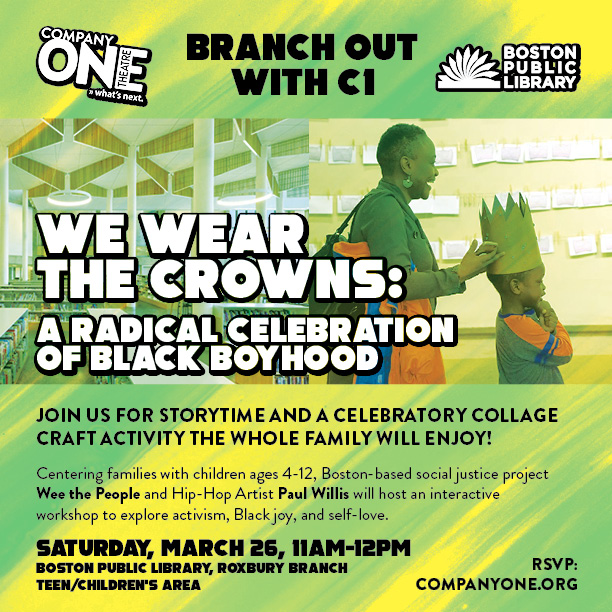
We are so excited to partner with Wee the People and Paul Willis at our upcoming Branch Out event, We Wear the Crowns: A Radical Celebration of Black Boyhood. Check out the previous post to learn more about the event series!

Branch Out with C1!

In our exciting partnership with the ART and Boston Public Library, Company One presents Branch Out with C1!

This series of gatherings spread across the Boston Public Library’s branches, connecting to the themes of Company One Theatre’s production of the play Black Super Hero Magic Mama to our city’s local communities through interactive experiences in partnership with organizations throughout Boston, paired with a sneak peek of the play!

Company One is delighted to work with our community partners of the Branch Out series: Wee The People, the Louis D. Brown Peace Institute, Comics in Color, The Theater Offensive, Marlene Boyette of Leela Yoga & Wellness, and Juju Emile!

Our first Branch Out event, We Wear the Crowns: A Radical Celebration of Black Boyhood, is this Saturday from 11am-12pm at the Boston Public Library’s Roxbury Branch.

Join us for storytime and a celebratory collage craft activity the whole family will enjoy! Centering families with children ages 4-12, Boston-based social justice project Wee the People and Hip-Hop Artist Paul Willis will host an interactive workshop to explore activism, Black joy, and self-love in conversation with Company One Theatre’s upcoming production of Black Super Hero Magic Mama.

To register for any of our free Branch Out gatherings, click here!

Implicit Bias and Its Effects in Law Enforcement

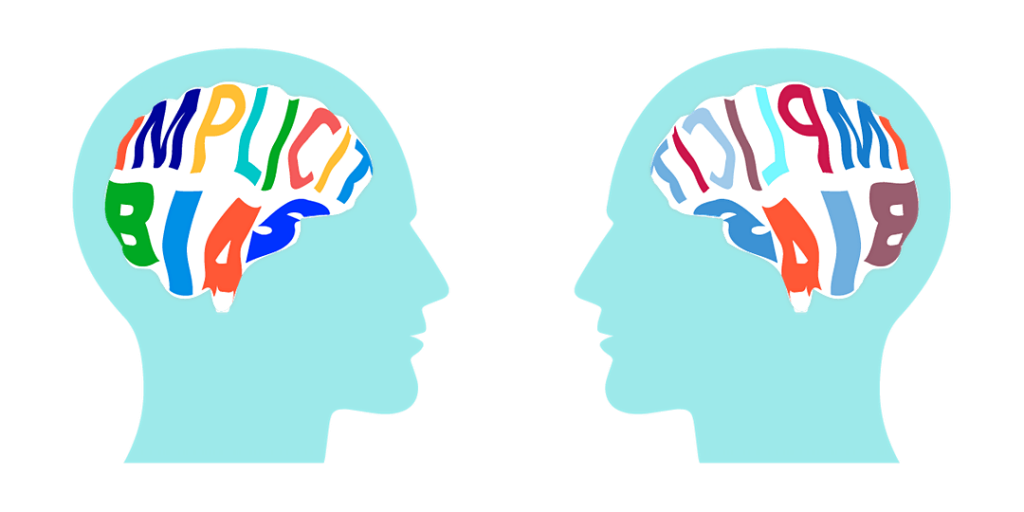
Image from MIT Teaching + Learning Lab: Implicit Bias

We’re having great conversations in our rehearsal process for Black Superhero Magic Mama. This past week, we talked about implicit bias as a present theme in the show.

What is Implicit Bias?

Implicit bias is an unconscious bias that influences the way we interact and perceive others in school, the workplace, and social situations. Often implicit bias is a learned behavior from cultural conditioning, media portrayals, and upbringing.

Types of Implicit Bias

When we think of the term implicit bias, our thoughts immediately go to race and gender. Yet, implicit bias can extend to:

  • Race & Ethnicity
  • Gender and Sexuality
  • Age
  • Ability/Disability

This list only names the most common forms of implicit bias. To learn about other types of implicit bias, check out this article by Catalyst.

How Can Implicit Bias Effect Law Enforcement?

Implicit bias impacts the relationship between law enforcement and the BIPOC community, especially in how police officers interact with local citizens. Some instances of implicit bias that occur are racial profiling (such as stop-and-frisk) and shooter bias.

Shooter bias is a form of implicit racial bias that influences how officers make split-second decisions that involve the use of a gun. Disproportionately affecting Black Americans injured or killed by police every year.

In Policing in black & white, Kirsten Weir writes how bias in law enforcement creates disparities in building community between police departments and the communities they serve. Leading to a larger conversation around policing, there is a clear need for reform that works against implicit bias and centers accountability and healing for the trauma it creates for those affected.

How Can I Be Aware of My Own Implicit Bias?

The simple answer? By identifying and evaluating your own biases.

By acknowledging the biases you may hold, you can take further steps in practicing mindfulness and conscious decision-making to combat your biases.

Community Spotlight: Louis D. Brown Peace Institute

We are so excited to partner with the Louis D. Brown Peace Institute in our upcoming Branch Out with C1 event at the Boston Public Library Grove Hall branch.

The Louis D. Brown Peace Institute is a center of healing, teaching, and learning for families and communities impacted by murder, trauma, grief, and loss.

In memory of Louis D. Brown, Louis’ parents, Joseph and Clementina Chéry, created the Louis D. Brown Institute to create support and resources in Boston for survivors of homicide victims.

Serving as an integral partner of the City of Boston, the institute works towards transforming our society’s response to homicide with a small-to-all approach. Offering services, trainings, and advocacy for families of murdered and incarcerated ones affected by homicide and gun violence, the team of dedicated staff and volunteers work towards a world where all families can live in peace and all people are valued.

As a community partner for Black Superhero Magic Mama, the Louis D. Brown Institute will be joining us in our Branch Out with C1 series on Thursday, April 7th 6-7pm.

Join us for a conversation inspired by Company One Theatre’s upcoming production of Black Super Hero Magic Mama. Hear about Boston’s past, and help us envision a more just city leading with Louis D. Brown Peace Institute’s work in supporting homicide victims. This hybrid event will also feature a virtual space hosted by The Theater Offensive’s Radical Futures Workshop Series as we gather to celebrate art for social change and collective healing.

Breaking The Cycle: Interrupting and Healing Generational Trauma in the BIPOC Community

A black background with white text. A L.R. Knost quote that reads: 'Generational patterns are woven into the fabric of our lives. But they are not set in stone. Fabric can be unraveled, tears mended, knots untangled. And a new pattern can be tenderly and intentionally begun. We are the story-weavers of this generation. May we wield our looms with the bravest love and fiercest hope imaginable.'
L.R. Knost quote that reads: ‘Generational patterns are woven into the fabric of our lives. But they are not set in stone. Fabric can be unraveled, tears mended, knots untangled. And a new pattern can be tenderly and intentionally begun. We are the story-weavers of this generation. May we wield our looms with the bravest love and fiercest hope imaginable.’

In the rehearsal room, the cast and team of Black Super Hero Magic Mama are getting ready to delve deeper into the world of the play and learning more about their characters. While breaking down the text and understanding more about the references in the play, we are also holding discussions around trauma and its effects on BIPOC communities.

In this post, we’ll talk about generational trauma and they ways in which members of the BIPOC community are interrupting the cycles of harm and on the journey towards healing.

Generational Trauma

Generational Trauma is defined by medical professionals as “trauma that isn’t just experienced by one person but extends from one generation to the next.”

In What Is Generational Trauma? Here’s How Experts Explain It, generational trauma can manifest in people as “hypervigilance, a sense of a shortened future, mistrust, aloofness, high anxiety, depression, panic attacks, nightmares, insomnia, a sensitive fight or flight response, and issues with self-esteem and self-confidence.”

Often the roots of generational trauma stem from traumatic experiences repeated generation after generation such as racism, poverty, the effects of war, and violence. In other cases, generational trauma can manifest after the experience of losing a loved one; which some professionals have named Complicated Grief Disorder.

What are the ways generational trauma is interrupted or healed in the BIPOC community?

With a rising trend of BIPOC-identifying folks seeking therapy, many seek therapists who identify as BIPOC and practice some form of radical healing or center trauma-informed practices. While acknowledging that there are still barriers of access to therapy & professional mental health resources, some members have taken to creating communal spaces (whether online or in person) to share resources and to create systems of support.

A Brief Lesson on the History of Comic Books

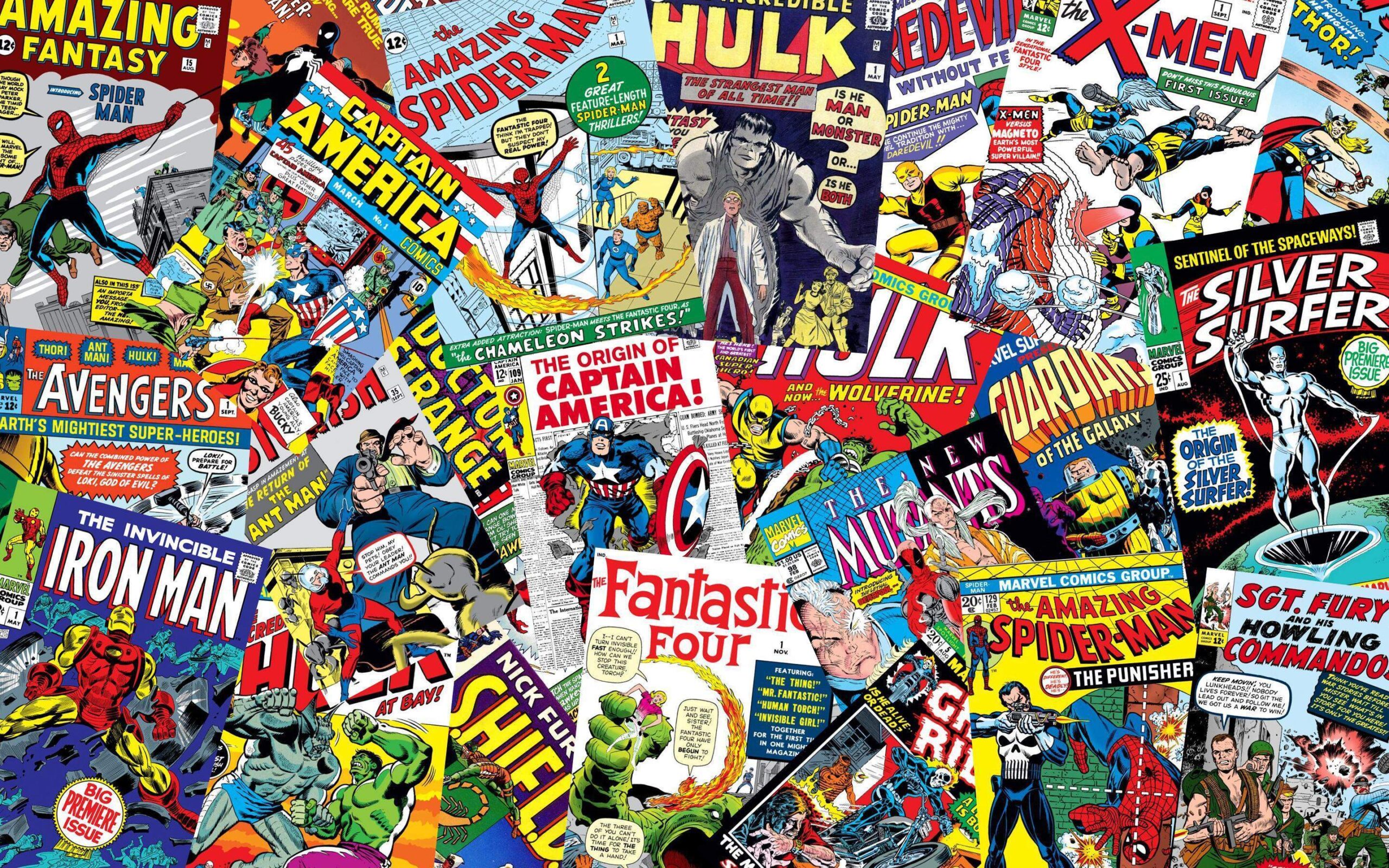
Comic Book Day: the most valuable comic books in the world // Verdict.co

Marvel, DC, and Dark Horse Comics are some of the top, most well-known comic book companies today, publishing popular comic series such as The Avengers (Marvel), Superman (DC), and Hellboy (Dark Horse).

But where do comics originate from? 

From the National Museum of American History, some scholars believe that comics originated as early as the 1930s, appearing as books with reprinted newspaper strips. It wasn’t until 1938 that superheroes were introduced into original comic books like Action Comics No.1. 

Gaining traction during World War II, in an effort to boost morale and patriotism, comic book superheroes such as Captain America, Superman, and Batman were born. During this time, the Golden Age of Comics skyrocketed with new genres, characters, and styles through the mid-1950s.

Out of this era, emerged Black comic creators like Clarence ‘Matt’ Baker, who created one of the first Black comic heroes, Voodah, who first appeared in Crown Comics #3 (1945). During this time Matt Baker was one of the few Black, Golden-Age comic artists who pioneered the comic art medium quietly behind the scenes. And opened doors for modern-day pioneers: Denys CowanDwayne McDuffieKyle Baker, and Christopher Priest.

Through their contributions, they paved the way for Black comic characters like Falcon (1969), Luke Cage (1972), Nubia (1973), and Storm (1975), who are still present in comics, film, and television.

Fast forward to today, independent, Black comic book publishers such as Lockett Down Productions and Black woman comic creators are entering the spotlight and taking the comic book world by storm in creating more diverse and inclusive representation in storytelling. With Black superheroes and comic series like Ironheart, Black Panther, and Shuri (Marvel) gaining traction in popularity, we see the influential impacts of the Black imagination in comics; especially with the rise of Afrofuturistic aesthetics (more to come in a future blog post!).

Western Tropes Seen in Pop Culture

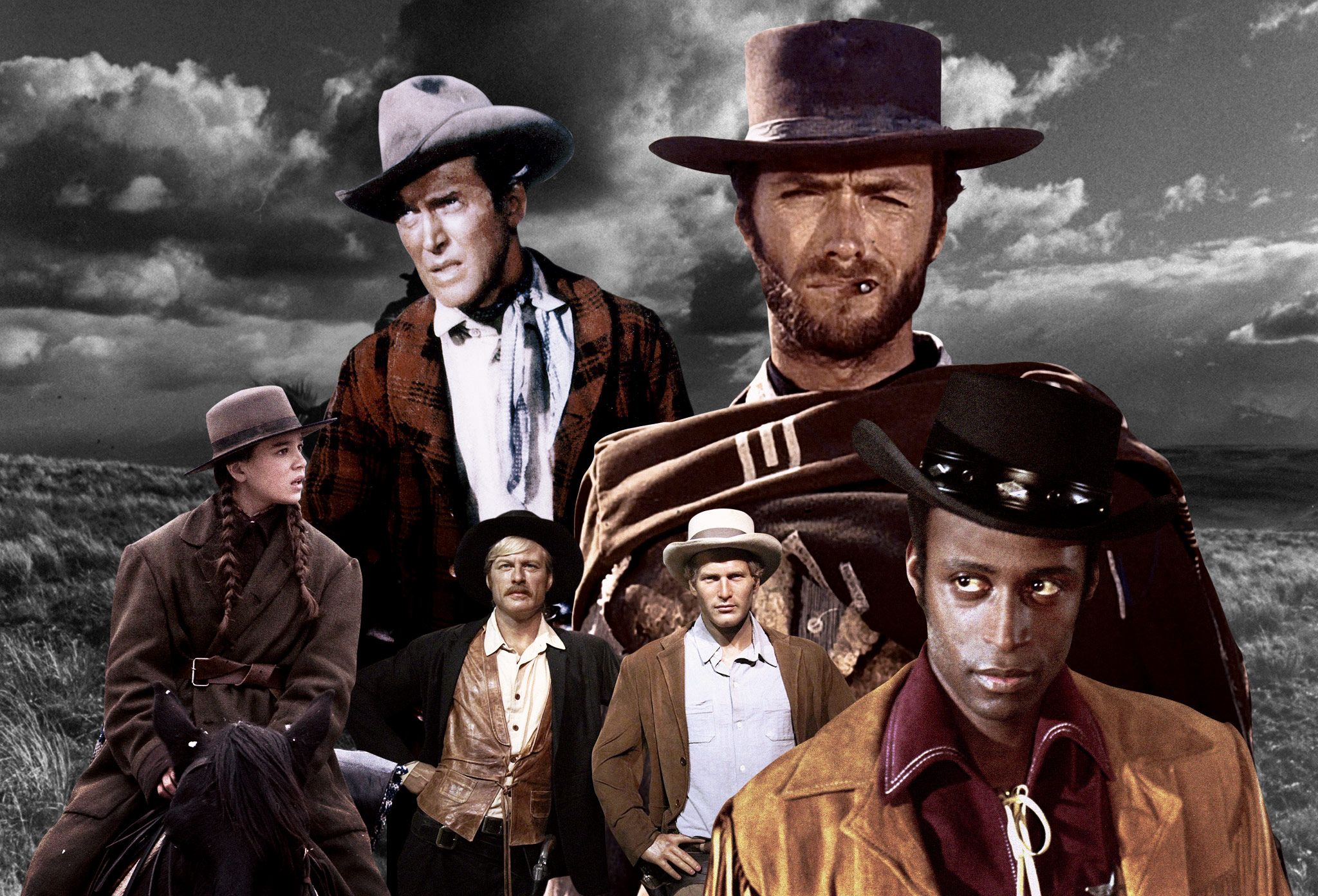
Photo-Illustration: Maya Robinson/Vulture and Photos Courtesy of Studios, Getty Images and Shutterstock. Vulture.com

The Western genre has been an integral part of American pop culture, with some of its tropes present in Inda Craig-Galvàn’s Black Super Hero Magic Mama.

Often centering conflict and adventure, the Western genre explore themes such as morality, justice, and the resistance to modern change (The Script Lab). They also emphasize a stoic hero who embodies honor and sacrifice, and in the end saves the day.

Some popular tropes from Westerns that we see in the play include the ever-so-famous gun-fight standoff,  the damsel tied to the railroad tracks, and mood-shifting soundtrack.

When we think of Westerns, many think of the 1966 American classic, The Good, the Bad, and the Ugly. Following Clint Eastwood’s character, the Man with No Name, we are drawn by the visual Western aesthetics of the American Cowboy, amplified even further by Ennio Morricone’s compositions of The Good, the Bad, and the Ugly Theme and The Ecstacy of Gold

The Cowboy, often noted as a Western Hero archetype, is associated with being a lone wolf who lays down the law, and is always looking for the next adventure. In films like Blazing Saddles (1974) and True Grit (2010), cowboys are lone rangers, preachers, bounty hunters, or even the town sheriff (Click here for other Wild West Archetypes in Storytelling).